

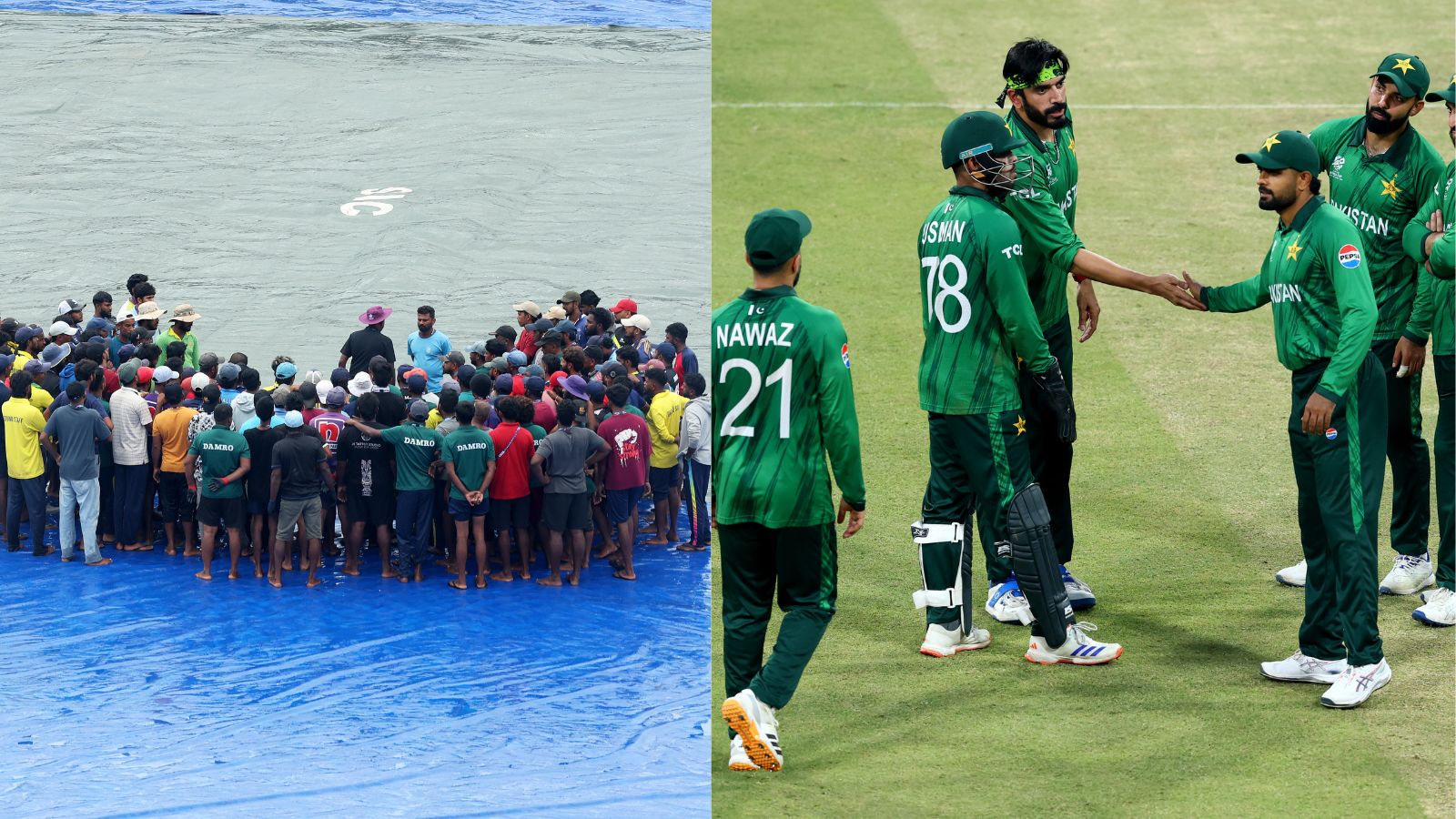
Sri Lanka vs Pakistan weather forecast: The ICC T20 World Cup 2026 Super 8 clash between Sri Lanka and Pakistan at the Pallekele International Cricket Stadium on 28th February carries enormous importance. Cricket fans around the globe are watching the skies above Kandy as much as the scorecard.
Sri Lanka vs Pakistan Weather Forecast: Will It Rain In Pallekele During The Match?
Forecasts indicate a sunny day. The weather will gradually transition into a clear evening with some periodic cloud cover. Daytime temperatures will peak at 27°C. They will then drop to a cooler 17°C once the night session begins. The probability of rain during match hours is essentially zero. It sits at just 5 per cent during the afternoon and falls entirely to 0 per cent by the scheduled 7:00 PM IST start time. Rain completely abandoned Pakistan’s opening Super 8 fixture against New Zealand. This clear forecast brings them significant relief.
Humidity levels in Pallekele will sit at around 74 per cent throughout the evening. Whichever side finds themselves in the field during the second innings must contend with meaningful dew accumulation. This moisture in the atmosphere will likely make the ball greasy under the lights. Spinners will find it particularly difficult to grip and turn the ball in the latter half of the game. Captains will weigh the toss carefully. Teams chasing under heavy dew have historically found an advantage at this venue.
The average first-innings total at Pallekele across T20 internationals sits at approximately 175 runs. Teams batting second have won six of the last ten matches at this stadium. Pakistan captain Salman Ali Agha faces a complex tactical calculation. His side must beat Sri Lanka by 64 runs or more to stand any genuine chance of reaching the semi-finals. Alternatively, they must successfully chase down any target within 13.1 overs.
The weather presents no real obstacle to a full forty-over contest on 28th February. Conditions look set to reward intelligent cricket and sharp decision-making at the toss. Both sides must account for dew as the primary environmental variable throughout the evening in Kandy.
