

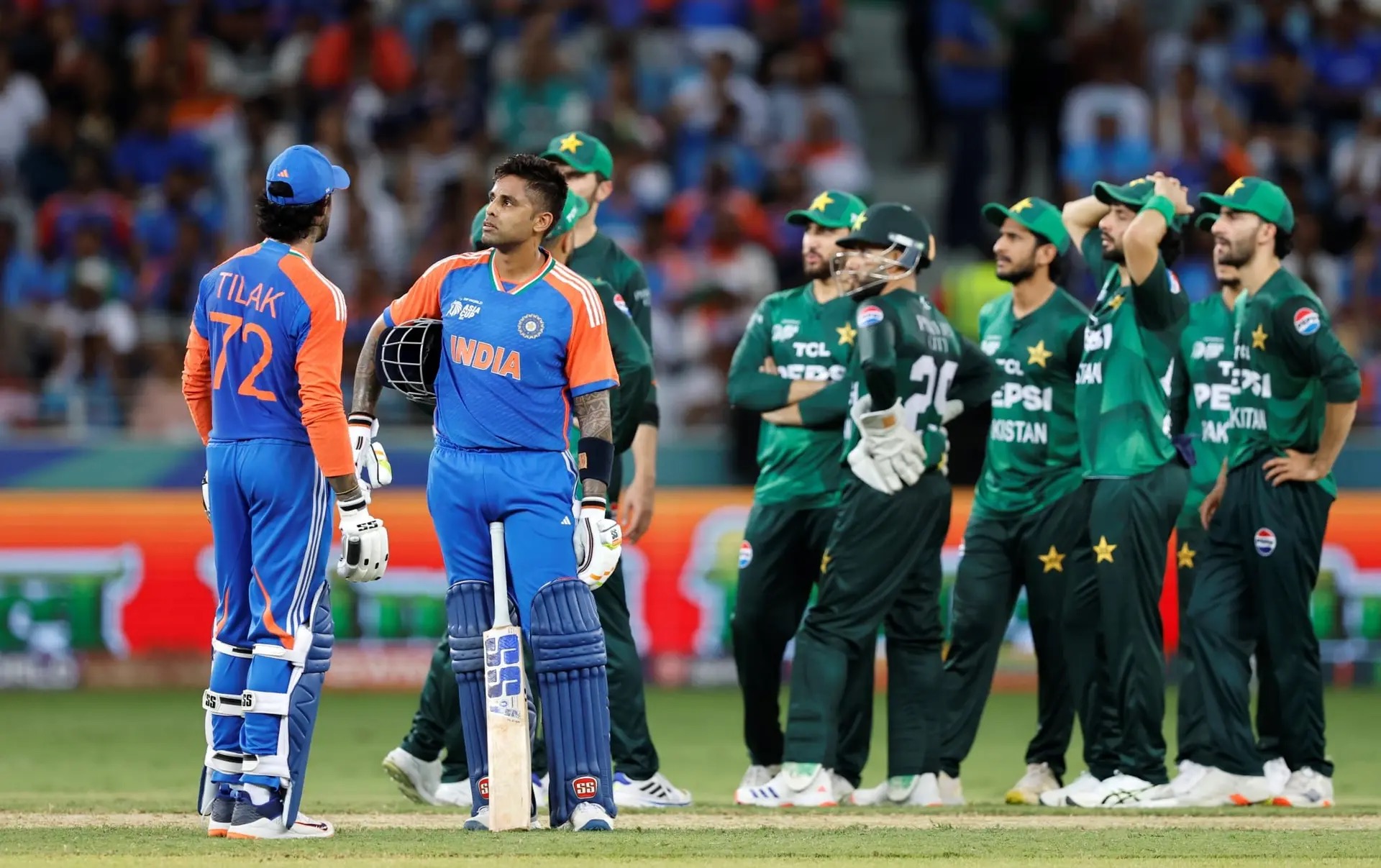
Headlines look pretty frantic right now. Earlier this week, the Pakistan government put out a threatening statement. Even so, that massive India vs. Pakistan T20 World Cup match is still a safe bet. The two sides will meet on February 15 in Colombo. Sure, political posturing is grabbing all the attention.
The Colombo Clash: Why the India-Pakistan T20 Fixture Will Go Ahead
But the actual money and logistics behind global cricket carry too much weight. These factors mean the two giants will show up. Fans will see the first ball at R. Premadasa Stadium next week as planned.
1. The Financial Guillotine Over the PCB
The Pakistan Cricket Board (PCB) faces total financial ruin if they actually skip the game. According to various reports, the ICC has the power to cut off Pakistan’s yearly revenue. We’re talking about 34.5 million (£27 million). Without that cash, the PCB can’t run its domestic leagues. They can’t even pay their players. No board can survive losing its main source of income. At the end of the day, money forces a reality check.
2. Broadcasters Will Not Accept a “No-Show”
In this business, cash speaks louder than politics. The major broadcaster JioStar has sunk billions into this tournament. They are banking on this specific game. Word from the inside says legal teams are already drawing up lawsuits. They’ll go after at least 38 million (£30 million) in lost ad money if the teams scrap the match. These commercial partners have huge pull behind the scenes. They’ll keep the pressure on the ICC to make sure the cameras stay on.
3. The Threat of ICC Suspension
The ICC hasn’t minced words here. Picking and choosing which games to play breaks the rules for full members. If Pakistan skips the India game but plays the rest of the tournament, the ICC could kick them out of international cricket immediately. A penalty like that would leave Pakistani cricket in the cold for years. They would lose hosting rights and future spots in big events. The PCB knows how high the stakes are. They aren’t going to pull that trigger.
4. The “Boycott” is Likely a Bargaining Chip
Looking back at history, these threats are usually just for leverage. They aren’t final. We saw the same talk before the 2023 ODI World Cup and the 2025 Champions Trophy. The matches happened anyway. Analysts think the government’s current stance is just a way to get something extra, maybe better hosting deals or money guarantees. They probably don’t actually want to forfeit. Negotiators are likely sorting out a deal to save face right now.
ALSO READ: The MS Dhoni Flashback: 4 Captaincy Moves by Suryakumar Yadav vs USA That Were Pure ‘MSD’ Genius
5. The Precedent of the Hybrid Compromise
Cricket bosses are experts at finding ways out at the last minute. The Hybrid Model saved the 2025 Champions Trophy, and a similar tweak could work here. They might even agree to play under protest. There’s a history of this. Teams make a point diplomatically but still show up to play. The whole tournament machine is simply too big to fail. The match is going to happen, even if things stay heated off the pitch.
