


ICC T20 World Cup 2026: Fans everywhere have circled February 15 on their calendars. They eagerly await the high-voltage clash between India and Pakistan. However, few have noticed the total mess looming behind this fixture. The public focuses on the rivalry. Meanwhile, a closer look at India’s itinerary reveals a chaotic, zig-zagging schedule. This travel plan could ruin things for the Men in Blue before they even take the field.
India kick off their campaign against the USA in the humidity of Mumbai on February 7. They then travel north to the cooler climes of Delhi to face Namibia on February 12. Immediately after, they must fly south to Colombo for a one-off, high-stakes match against Pakistan.
Why is playing Pakistan in Sri Lanka a nightmare for India?
This frantic island-hopping stops the players from getting used to the weather. It leaves the team vulnerable to fatigue rather than the opposition’s bowling attack. Fans anticipate a cricketing spectacle, but the squad faces a punishing travel programme. This schedule is the team’s real adversary.
Three Reasons Why The Schedule Favours Pakistan:
1. The Acclimatisation Deficit
Pakistan enjoy a massive advantage. They play their entire group stage in Sri Lanka. This allows them to settle into a rhythm and understand the local conditions intimately. On the other hand, India drop into Colombo for a single game. They arrive after playing on entirely different surfaces in India.
So, Pakistan adapt to the humidity, wind patterns, and dew factors of Colombo early. They know the conditions long before Suryakumar Yadav’s men step off the plane. India spend valuable hours in transit and airports. Meanwhile, Pakistan rest and train at the venue. This effectively turns a neutral venue into a home fortress for the Men in Green.
2. The Pitch Whiplash
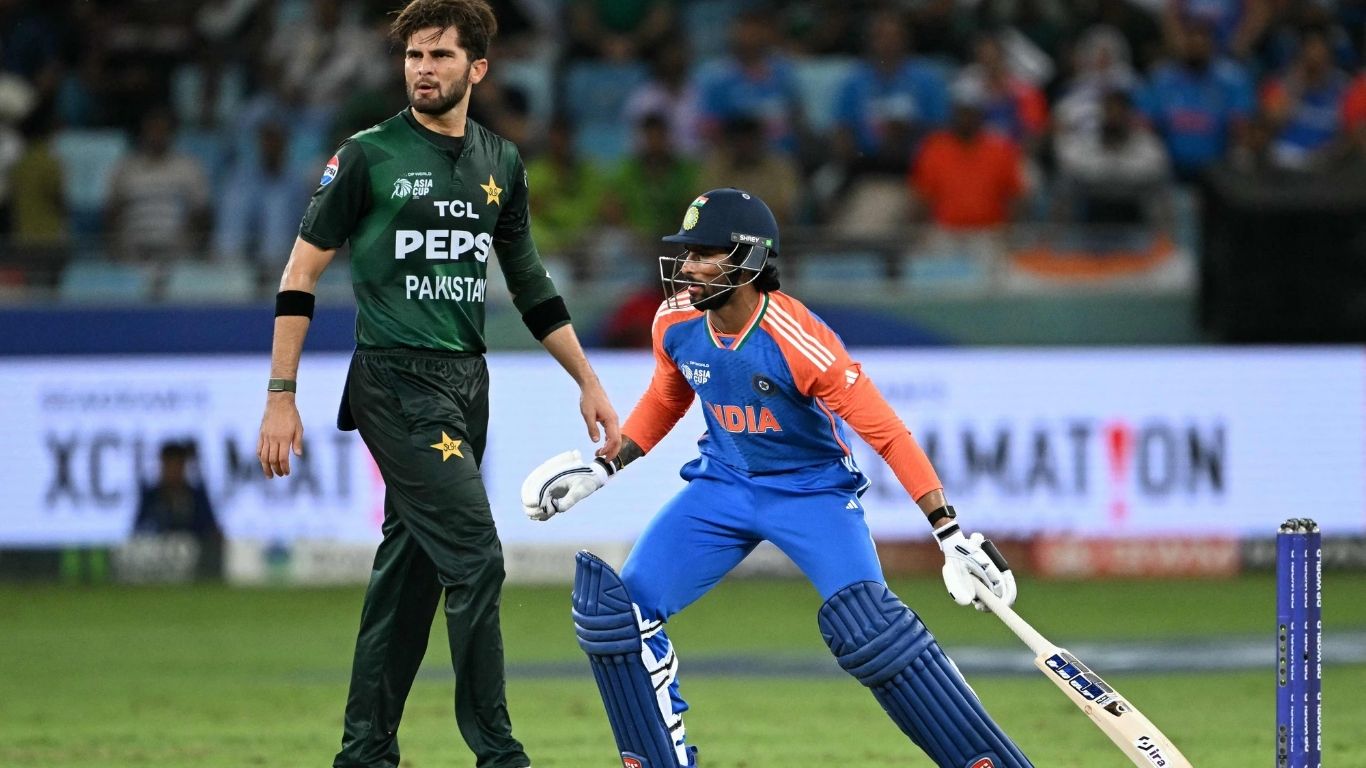
Moving from Indian grounds to Sri Lankan tracks requires a big technical adjustment. This schedule simply does not give them that time. India starts at the Wankhede Stadium in Mumbai. Experts know this ground for its red-soil bounce and carry. The team will then move to the Arun Jaitley Stadium in Delhi. This pitch typically offers lower bounce and slower turn.
Suddenly, they must switch gears for the R. Premadasa Stadium in Colombo. This surface is known for sluggish turn and gripping spin. After that, they must rush back to Ahmedabad’s flat tracks. This constant jumping between different pitches disrupts a batter’s muscle memory. A player might hit a shot for six in Mumbai but hole out to long-on in Colombo.
3. The Jet Lag Factor
Athletes thrive on routine. However, this itinerary force the Indian team to constantly reset their biological clocks. They must move across different environments rapidly. They fly from the western coast to the north, then down to an island nation, and finally back to western India.
YOU MAY ALSO READ: IND vs NZ 2026: 3 Insane Records From Abhishek Sharma 14 Ball Explosion
Doing all this within 10 days creates a heavy physical toll. No amount of recovery sessions can fully fix this stress. Fatigue slows reaction times. This is a fatal flaw when facing 150 km/h yorkers or sharp spinning deliveries. The sluggishness from travel could likely decide a match defined by split-second decisions.
