

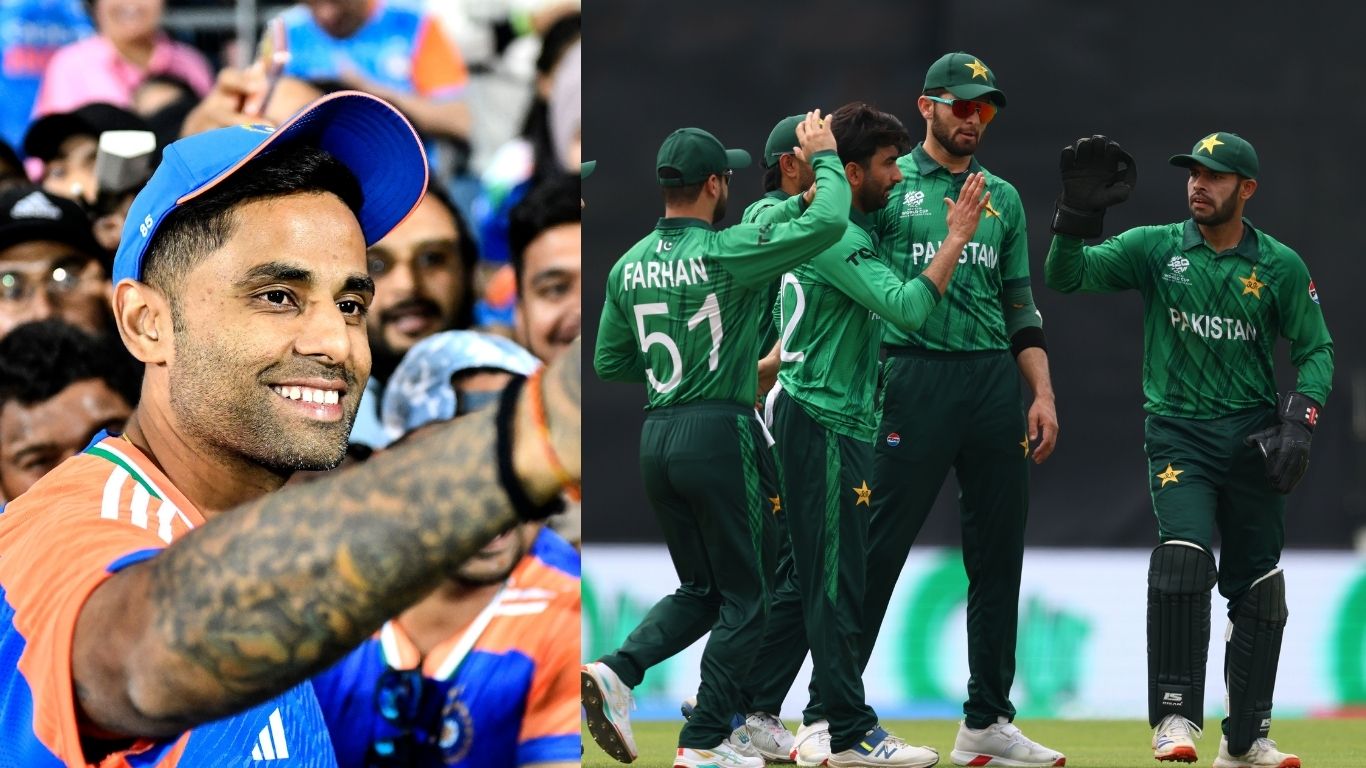
Cricket fans everywhere held their breath as political drama nearly killed the biggest match of the T20 World Cup 2026. For weeks, news about the India vs Pakistan clash focused on boycotts and standoffs. Then, on February 9, the Pakistan Cricket Board (PCB) suddenly changed its tune.
India vs Pakistan T20 World Cup Update: PCB U-Turn India Match Confirms Historic IND vs PAK Clash for T20 World Cup 2026
Officials talk about sportsmanship in public, but the real story is different. It is about high-stakes deals and money pressure behind closed doors. A few quiet factors might force this PCB U-turn, making sure the February 15 fixture in Colombo actually proceeds.
1. The Bangladesh Shadow Deal
At first, Islamabad refused to play because they wanted to stand by Bangladesh. The ICC had kicked Bangladesh out after they refused to travel to India. However, insiders say the ICC fixed this with a secret shadow deal.
Negotiators promised the Bangladesh Cricket Board (BCB) that the ICC would fully compensate them for their lost fees and future hosting rights. This might give Pakistan a graceful way out. They could agree to the India match without appearing to turn their back on their principles.
2. The $38 Million Legal Threat
Broadcasters have a lot of power, and they reportedly held a legal gun to the PCB’s head. The T20 World Cup 2026 contracts let broadcasters sue if a country skips a scheduled game, especially a massive money-maker like this one. Experts say the PCB could have lost over $38 million. That is a mix of legal fees, fines, and lost revenue. With the board already struggling for cash, they likely saw this move as a way to survive rather than a change of heart.
3. Sri Lanka’s Economic Plea
Sri Lanka is co-hosting the cup, and they did a lot of work behind the scenes to save this game. Their cricket board and tourism office sent urgent pleas to Lahore. They explained that a boycott would crush their local economy. The match in Colombo brings in huge crowds and tourism dollars that the country really needs right now. Sri Lanka used their long friendship with Pakistan to tug on some heartstrings. Basically, they convinced the PCB not to hurt a neutral neighbour over a bilateral dispute with India.
4. Getting a Bigger Slice of the Pie
Pakistan’s agreement might also come down to a promise of more money from the ICC later. Right now, India receives the lion’s share of the revenue, which remains a point of contention for other boards.
The rumour is that the PCB traded their participation for a bigger cut of ICC earnings between 2027 and 2031. By playing now, they look like the saviours who saved the tournament’s commercial viability. It is a status they will definitely use in future meetings.
5. The Handshake and Future Rules
The last secret involves how players treat each other and where they will play in the future. Reports say the PCB insisted on a strict Handshake Protocol. They wanted to avoid a repeat of past events where Indian players supposedly ignored them.
ALSO READ: India vs Pakistan: 3 Scenarios That Could Happen On Feb 15 In T20 World Cup 2026
More importantly, they locked in the Hybrid Model precedent. By playing this match in neutral Sri Lanka, they set a firm rule: the ICC cannot force them to go to India for future big events unless the Indian team travels to Pakistan too.
