

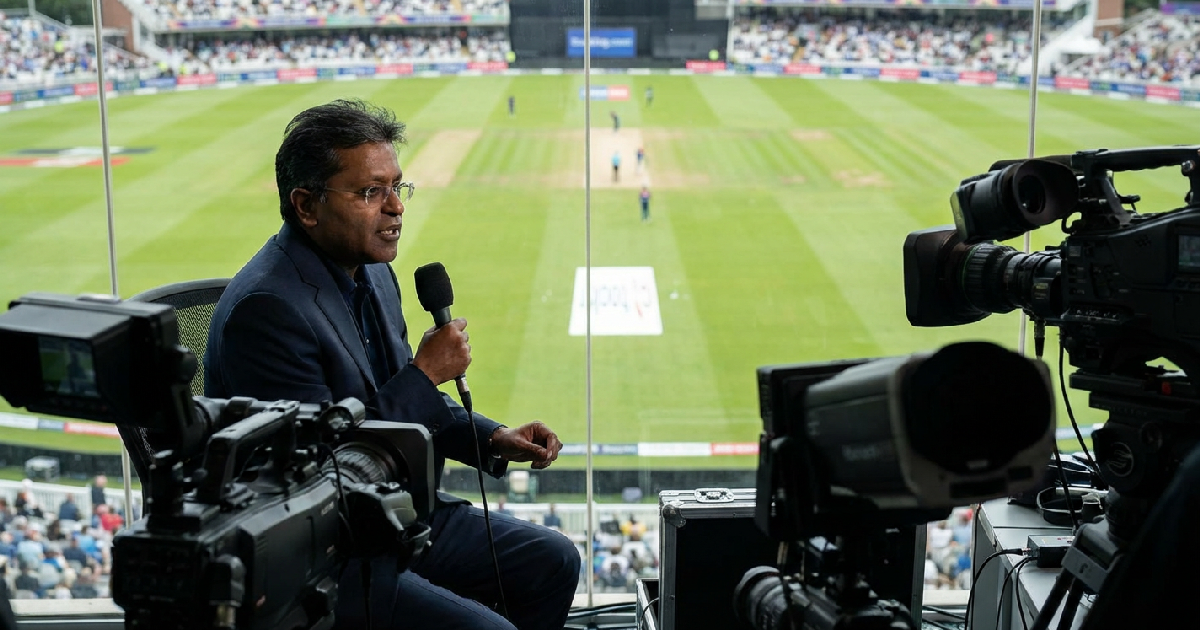
Lalit Modi, the architect of the Indian Premier League, has re-emerged with a proposal that could trigger a significant shift in how the T20 tournament is structured. The former league chairman is reportedly advocating for a major expansion of the IPL schedule, suggesting that the current model is leaving a substantial amount of potential revenue on the table.
According to reports from The Economic Times, Modi believes the league is currently operating below its economic ceiling. He suggests that by not adding a considerable number of additional matches each year, both the BCCI and the individual franchise owners are missing out on combined revenues that could reach into the thousands of crores. This assessment comes at a time when the IPL is already navigating the logistical challenges of a crowded international calendar.
The Commercial Argument for a Longer Season
Modi’s argument rests on the massive scale of the IPL’s broadcast and commercial value. Since its launch in 2008, the league’s valuation has surged, with recent media rights agreements placing it among the most lucrative sporting properties in the world on a per-match basis. However, reports indicate that Modi contends the current playing window is too narrow to maximize returns for stakeholders who have invested heavily in the cricket ecosystem.
He suggests that the current format, while highly successful, does not provide enough inventory for advertisers and broadcasters who are willing to pay a premium for live cricket content. By adding roughly 20 more fixtures, the league could reportedly bridge the revenue gap he has identified. This isn’t just about the BCCI’s central funds; the franchises, many of which are now expanding their global portfolios, would likely see an impact on their revenue streams through increased gate receipts and sponsorship opportunities.
While the IPL remains the dominant force in Indian cricket, other regional developments are showing the appetite for more domestic T20 action. For instance, the growth of Nepal Premier League revenue signals a broader shift in how local cricket economies are starting to mirror the commercial success of their larger neighbors.
Player Workload and the International Calendar
The primary hurdle for any expansion remains the international schedule. The International Cricket Council (ICC) already provides a dedicated window for the IPL, but stretching that window further would inevitably lead to friction with other national boards. While leading players often prioritize the IPL due to the financial rewards, the physical toll of an even longer season is a constant concern for medical staff and national selectors.
We are already seeing how player availability and tactical shifts can impact a team’s momentum. During the current season, certain teams have had to make swift adjustments due to absences in their primary squads. For example, a recent reshuffle in the Kolkata lineup was reportedly a direct result of key players being unavailable, underscoring how fragile a squad can be over a two-month period. Adding more matches would likely require significantly larger squads and more frequent rotation of star names.
There is also the question of “tournament fatigue.” Critics of expansion argue that the IPL’s relative scarcity is part of its appeal. By increasing the volume of games, the league risks diluting the stakes of individual matches. However, from a purely commercial perspective, the “more is more” approach has worked for major leagues in the United States, which have often served as benchmarks for the IPL’s growth strategy.
Governance and the Road Ahead
For such a vision to become reality, the BCCI would need to navigate a complex web of broadcast contracts and bilateral commitments. Reports suggest that while the board is mindful of the potential for more revenue, they are also focused on maintaining the league’s competitive quality. High-stakes games and the emergence of new talent are what keep viewership high. We have seen this year how rising stars leading the statistical races can create the kind of individual narratives that drive fan engagement.
But the BCCI’s current leadership has generally taken a more measured approach to expansion than the one Modi is proposing. While they have increased the number of teams to ten in recent years, they appear cautious about simply adding more games to the calendar without ensuring those games hold significant weight in the race for the playoffs.
Modi’s intervention serves as a reminder that the IPL’s current state is likely not its final form. Whether the final number includes 20 additional matches or a more modest increase, the pressure to monetize the world’s most popular cricket league will only intensify as franchise valuations continue to rise. For now, the debate remains centered on where the balance lies between the integrity of the sport and the undeniable logic of commercial growth.
